
Japan · Hearty & chunky
Kenchinjiru (temple-style vegetable soup)
Root vegetables, shiitake and torn tofu fried in sesame oil, then simmered in kombu-shiitake dashi and seasoned with soy. A clear, savoury soup with no meat or fish at all.
- Prep
- 25 min
- Cook
- 55 min
- Total
- 3 hr 55 min
- Effort
- Easy
- Serves
- 4
The total includes 2 hr 35 min of soaking, resting or chilling.
Ratings by the Soupmap Culinary Team, not readers.
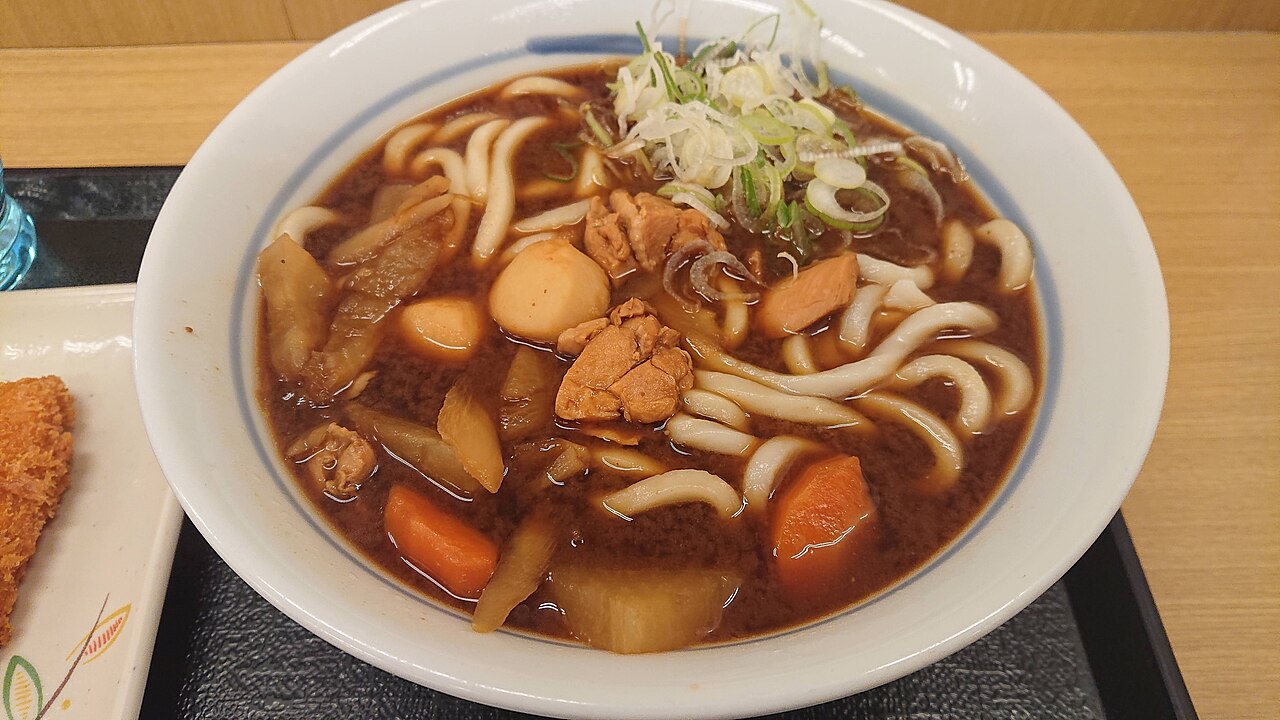
Kenchinjiru comes from shojin ryori, the Buddhist temple cooking that uses no meat or fish. Its broth is a dashi of kombu (dried kelp) and dried shiitake rather than katsuobushi, and the richness pork brings to tonjiru comes here from toasted sesame oil. Root vegetables, konnyaku (a firm jelly made from the konjac plant) and torn tofu are fried in it before the stock goes in. The soup is seasoned with soy sauce, sake, mirin (sweet rice wine) and salt, so the broth stays clear and amber instead of turning cloudy with miso.
The name is often said to come from Kencho-ji, a Zen temple in Kamakura, where, the story goes, a block of tofu that had been dropped and broken was added to a soup of vegetable trimmings rather than wasted. Another explanation links it to kenchin, a Chinese-influenced temple dish of crumbled tofu and vegetables fried in oil. Either way, it's frugal, generous food.
The mistake to avoid is rushing the frying. Give the vegetables a few minutes in the oil, until they're glossy and the burdock smells nutty, and the soup tastes full rather than thin.
Ingredients
Kombu and shiitake dashi
Soup
Method
Tap a step's number to tick it off, and a time to start a timer.
Soak and prepare
Wipe the kombu with a damp cloth and rinse the shiitake briefly under the tap to remove any grit. Put both in a jug or bowl with the cold water, cover, and soak in the fridge for at least 3 hours, or overnight. The shiitake should be soft right through the cap. Do steps 2–6 during the last half hour of soaking.
Wrap the tofu in a clean tea towel or several layers of paper towel, set a plate on top and leave it to press for 15–20 minutes while you cut the vegetables.
Peel the daikon and cut it into 5 mm quarter-moons: halve it lengthways, halve again, then slice. Peel or scrub the carrot and cut it the same way.
Scrub the burdock with a stiff brush or scrape it with the back of a knife, then slice it thinly on the diagonal into a bowl of cold water. Soak for 5 minutes and drain.
Peel the taro with dry hands (wet, its skin can make hands itch), cut it into 2–3 cm chunks, rub with a pinch of salt and rinse off the slime. If you're using potatoes, peel them, cut them the same size and keep them in cold water.
Tear the konnyaku into bite-sized pieces with a teaspoon or your fingers, boil it in a small pan of water for 3 minutes to remove its faintly alkaline smell, and drain.
Make the dashi
Tip the water, kombu and shiitake into a saucepan and warm over low heat for 10–15 minutes. When small bubbles cling to the kombu, lift it out, before the water boils. Let the shiitake simmer gently for 5 minutes more, then lift them out. You'll have about 1 l of dashi, light brown and smelling of the forest floor.
Cut off the shiitake stems, which stay tough, and slice the caps 5 mm thick.
Cook the soup
Heat the sesame oil in a large, heavy pot over medium heat. Add the burdock and stir-fry for 1 minute until fragrant, then add the carrot, daikon, konnyaku and sliced shiitake. Stir-fry until everything is glossy and the edges are just starting to colour, 3–4 minutes.
Break the tofu into the pot with your hands in rough 2 cm pieces. Stir-fry gently until it firms up and takes on a little colour, about 2 minutes.
Add the taro or potatoes, then pour in the dashi, sake and mirin. Bring to the boil over medium-high heat and skim off any foam, then lower the heat to a gentle simmer, partly cover and cook until the daikon is translucent and a skewer slides easily into the taro, 15–20 minutes.
Stir in the soy sauce and salt and simmer for 2 minutes more. Taste: the broth should be savoury with a soft sweetness, seasoned well enough that you'd happily drink a whole bowl. Add more salt a pinch at a time if it needs it. Serve topped with the spring onion, with shichimi on the table.
Swaps
Cooking for coeliac disease or an allergy? Check every label: the notes below say which ones matter.
Gluten-free
- Swap the soy sauce for tamari labelled gluten-free, in the same amount. Regular soy sauce is brewed with wheat; tamari is a little darker and richer, but the soup is otherwise the same.
- Check the labels on the mirin, sake, konnyaku and shichimi, and choose ones labelled gluten-free: "mirin-style" seasonings and spice blends vary. The kombu, shiitake, tofu and vegetables are naturally gluten-free.
- For kenchin soba, use 100% buckwheat soba labelled gluten-free. Most soba, and all udon, contain wheat.
Plant-based
- Already vegan as written. Use plain soy sauce or tamari, never "dashi soy sauce" or tsuyu, and skip instant dashi powders, which can contain fish even when sold as kombu dashi (see Tips).
High-protein
- Double the tofu to 400 g, pressed and torn as before: about 4–6 g more protein per bowl, depending on how firm it is.
- Add 4 sheets of aburaage (thin fried tofu, about 80 g), rinsed with boiling water and cut into strips, with the dashi: about 5 g per bowl.
- Stir in 200 g shelled edamame for the last 5 minutes of simmering: about 5 g per bowl.
Tips
- Check every label if you're cooking for vegans. Use plain soy sauce, not "dashi soy sauce" or tsuyu (noodle sauce concentrate), both of which usually contain bonito. Instant dashi powders, even ones sold as vegetable or kombu dashi, sometimes contain fish extract too.
- Press the tofu, then tear it. Pressed tofu fries instead of steaming and doesn't dissolve into the broth, and torn pieces have rough edges that soak up flavour.
- The oil is the richness. With no meat or fish in the pot, the sesame oil and the browned edges of the vegetables give the soup its depth, so don't skimp on the frying.
- Soak the shiitake cold and slow. A long soak in cold water gives a deeper, cleaner mushroom flavour than a quick soak in hot water. Thick-capped shiitake may need the full night.
- Season late. Sake and mirin go in early so their alcohol cooks off; the soy sauce and salt go in once the vegetables are tender, because long boiling dulls soy's aroma.
- Substitutes: salsify or a small parsnip for burdock (parsnip is sweeter), waxy potato for taro. Konnyaku is there for its bouncy texture and can be left out.
Make ahead and storage
- The dashi keeps for 2 days in the fridge, so you can soak the kombu and shiitake the day before.
- The soup keeps for up to 3 days in a covered container in the fridge and, like most vegetable soups, tastes even better the next day. Cool it quickly before chilling, and reheat until steaming hot all the way through.
- Don't freeze it: the tofu and konnyaku turn spongy.
Variations
- Kenchin udon or soba: in parts of eastern Japan, the soup is ladled over hot udon or soba noodles. Add an extra 1 tbsp soy sauce to the broth, since the noodles dilute it (both noodles usually contain wheat).
- More in the pot: strips of aburaage (thin fried tofu), rinsed with boiling water to remove excess oil, or mushrooms such as shimeji or maitake, added with the dashi.
Your notes
Keep your cooking notes private in your account. Save what you changed and what you'd do next time.
Reviews & cooks' tips
Reviews and tips from people who've cooked this appear here.